
On paper, it might seem straightforward: water is pumped into a different location. In actuality the distance between those two points can involve fluctuating flows, elevation changes as well as solids, pressure requirements, storage capacity, control electrical equipment, maintenance access and even site restrictions.
Romtec Utilities’ approach to developing a pump station is to first establish the operating conditions. This is followed by selecting the equipment. After that, initial designs and budgetary details can be designed based on what is required by the project.
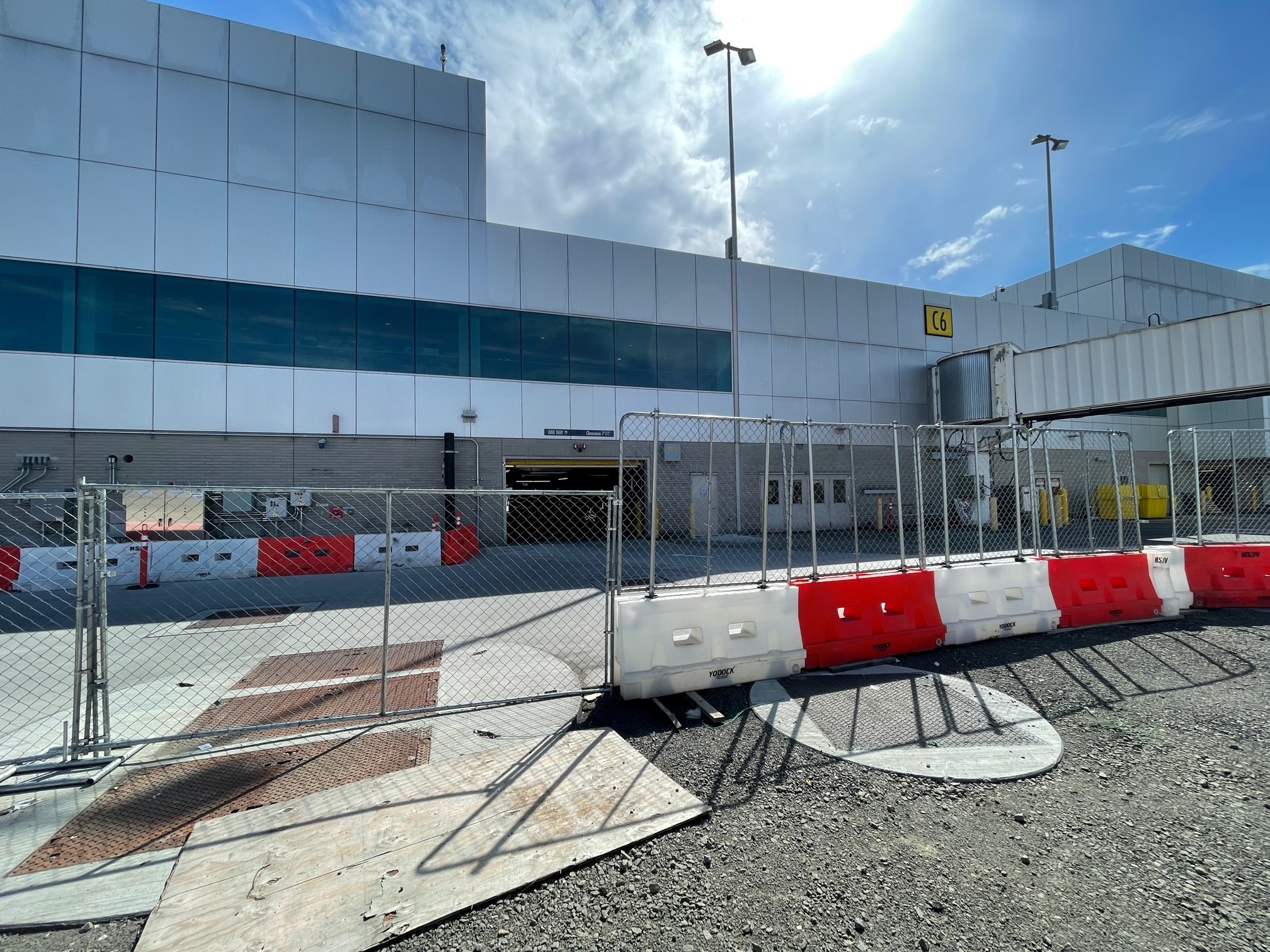
Image credit: romtecutilities.com
The first step is to ask How are We Moving?
The answer immediately changes the design.
The flow of wastewater in the domestic system is subject to substantial fluctuations in the course of a day. When gravity conveyance fails or is insufficient the wastewater lift station will be required to move the wastewater. Engineers must be aware of the following aspects: expected flow as well as peak condition, pumping capacity, behavior of the wet well discharge requirements and how equipment is operated and maintained.
Diverse challenges arise from industrial water. The water used in a manufacturing or processing facility might need to be caustic, oily, or heated at high temperatures or pressure. Romtec Utilities creates industrial systems that are used in applications that range from data centers to installations for oil and gas as well as food processing power generation, pharmaceutical waste.
Rainfall creates a completely different operating system
Stormwater systems can be inactive for prolonged periods and then suddenly be required to manage large amounts in the event of a major storm.
For example, a stormwater lift station that is associated with a detention basin must be compatible with the larger drainage strategy for the location. As the water flows into the basin and temporary storage manages the immediate volume and the pumping system moves collected water toward an approved discharge point.
Romtec Utilities provided this solution for the development of the Norco business park in California. The plan called for a pumping station for emptying a detention system into the public stormwater drainage system. The station was to be designed as a part of the drainage infrastructure designed for the development, not being a separate piece of equipment.
“Package” Doesn’t Infer “Off the Shelf”
A common misconception is that a package pumping system is simply a predetermined collection of components.
Packaging is a method to organize the primary components of a particular project. Pumps, meters and controls, as well as components for structural construction and equipment, can be chosen depending on the conditions of use.
This approach is especially helpful when the system is required to be connected with an existing infrastructure. The industrial plants and the existing municipal facilities don’t always provide ample area for installation or clear conditions. Equipment may have to be placed around existing piping, structures as well as electrical systems and operational plans.
Capacity Planning Has Real Consequences
The cost of undersizing rises as the facility expands.
Romtec Utilities supplied a sewer lift station in Portland International Airport for the PDX Next extension. The station was constructed to provide double the peak flow capacity of the previous station as the airport’s facilities increased.
This highlights a fundamental aspect of engineering: specifications for the design should not just represent what an installation does during a typical afternoon. Engineers should be aware of the conditions that occur during peak demand.
The Job Isn’t Finished When the Equipment Arrives
Drawings and calculations will eventually turn into an operating system. Installation coordination, startup testing documentation, and user knowledge all affect long-term performance.
The time between construction and the efficiency of engineered pumping system is assessed. When flows increase, a major storm arrives or the equipment needs to be maintained the choices made during preliminary design become very visible.
Romtec Utilities combines these decisions to offer a complete pumping solution for a particular project. It can help turn equipment into infrastructure specially designed to meet the specific conditions for which it is used.