For a great meal at home, you do not have to learn complicated cooking techniques or have a spice cabinet filled with exotic ingredients. It is important to understand the way that different flavors interact. It is important for any chef to be aware of which herbs work with different meats, such as pork, beef or salmon and how herbs interact during cooking.
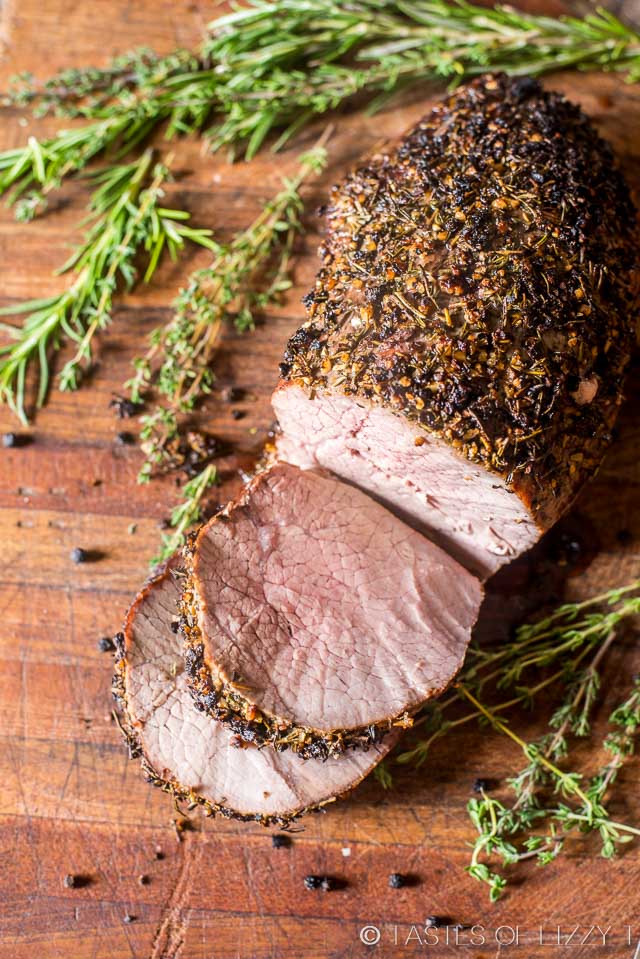
Herbs serve different purposes based on what meat they are employed with. Certain herbs are excellent for cutting through fat and others can add freshness or warmth, whereas some require heat to release their flavour. When herbs have been picked with intention, the dishes are balanced and not busy. Cooking becomes more intuitive.
What Herbs Go With Pork and How They Work?
Pork is naturally sweet and has a high fat content, making it an excellent base for herbs. Understanding what herbs go with pork bring physical beauty into the kitchen.
Sage and rosemary work well since they provide richness and deep flavor. Thyme adds a gentle earthiness that can be found in braises, roasted, as well as pan-fried cutlets. Fennel seeds are particularly effective when used in slow-cooked meals or sausages. Bay leaf provides background flavor during cooking long, while parsley adds a bright flavor to dishes when it is it is added at the conclusion of a meal.
Since pork is a great absorber of flavour The flavor of herbs can be incorporated directly into marinades or ground meat and used instead as a surface seasoning.
Herbs that enhance beef without overpowering it
Beef is naturally bold which is why herbs should be carefully selected to complement rather than rival. Deciding which herbs work best with beef is mostly about matching the intensity.
Woody herbs, like rosemary, thyme and marjoram, can resist high temperatures and lengthy cooking time. They’re perfect for braises, roasts and steaks. Bay leaves add a rich flavor to stews, and rosemary adds a depth to slow-cooked meats. Oregano imparts a nutty and savory flavor to tomato sauces made with minced meat.
Choose stronger herbs for larger cuts like brisket or Ribeye, while using lighter herbs on lean cuts.
What are the best herbs for salmon to help balance it out, but not weight?
Herbs can bring freshness and contrast to salmon’s rich, oily flesh. Knowing which herbs work best with salmon can help keep the food light.
Dill is one of the most popular flavors as it highlights the flavor of salmon that is naturally present. Chives and parsley bring brightness, while the tarragon provides a delicate elegance that goes well with baked or poached foods. Basil is a great match with salmon that has been grilled and thyme lends warmth to roasting.
The aroma of delicate herbs is diminished by long cooking. Citrus is also essential, since it aids in making herbs feel vibrant and balanced.
Herbs to mix with different cuts of chicken
The mild taste of chicken makes it among the most versatile proteins. The herbs you use with chicken will vary based on whether it’s white meat or dark.
Roasting is an excellent method of using thyme and rosemary, especially with the skin still on. Tarragon gives a refined flavor to wine-based or creamy sauces, while oregano works well in grilled or Mediterranean-style dishes. Sage adds warmth to butter sauces and pairs well with darker meat. The best way to use parsley is as a finishing spice. It imparts a sense of freshness.
When you rub herb butter on the meat’s skin, flavours are infused into the meat cooks.
What Herbs Go Well with Lamb? And How to Use them Confidently
Lamb is a meat with powerful, gamey flavors that can stand up to herbs. Knowing the herbs that go with lamb can enhance the depth of flavour without overpowering the meat.
Rosemary cuts through the fat, and it is resistant to grilling or roasting. Oregano and oregano provide a Mediterranean touch to dishes cooked slow. When used in sauces and as a finishing element mint and parsley add a freshness. Coriander is a refreshing flavor to spicy dishes.
Lamb can benefit from a confident seasoning, especially with slow-cooked cuts which absorb flavor over time.
Cooking with intention and not Uncertainty
By knowing what herbs to make use of for the preparation of salmon, pork and beef along with chicken and lamb You can avoid a lot of guesswork while cooking. It helps you plan meals more efficiently, shopping more focused, and yields more consistent results.
If herbs are utilized with purpose cooking can feel less like trial and error, and more like a skill that you can trust.

Cooking Without Confusion: Herb Pairings That Actually Make Sense
For a great meal at home, you do not have to learn complicated cooking techniques or have a spice cabinet filled with exotic ingredients. It is important to understand the way that different flavors interact. It is important for any chef to be aware of which herbs work with different meats, such as pork, beef or salmon and how herbs interact during cooking.
Herbs serve different purposes based on what meat they are employed with. Certain herbs are excellent for cutting through fat and others can add freshness or warmth, whereas some require heat to release their flavour. When herbs have been picked with intention, the dishes are balanced and not busy. Cooking becomes more intuitive.
What Herbs Go With Pork and How They Work?
Pork is naturally sweet and has a high fat content, making it an excellent base for herbs. Understanding what herbs go with pork bring physical beauty into the kitchen.
Sage and rosemary work well since they provide richness and deep flavor. Thyme adds a gentle earthiness that can be found in braises, roasted, as well as pan-fried cutlets. Fennel seeds are particularly effective when used in slow-cooked meals or sausages. Bay leaf provides background flavor during cooking long, while parsley adds a bright flavor to dishes when it is it is added at the conclusion of a meal.
Since pork is a great absorber of flavour The flavor of herbs can be incorporated directly into marinades or ground meat and used instead as a surface seasoning.
Herbs that enhance beef without overpowering it
Beef is naturally bold which is why herbs should be carefully selected to complement rather than rival. Deciding which herbs work best with beef is mostly about matching the intensity.
Woody herbs, like rosemary, thyme and marjoram, can resist high temperatures and lengthy cooking time. They’re perfect for braises, roasts and steaks. Bay leaves add a rich flavor to stews, and rosemary adds a depth to slow-cooked meats. Oregano imparts a nutty and savory flavor to tomato sauces made with minced meat.
Choose stronger herbs for larger cuts like brisket or Ribeye, while using lighter herbs on lean cuts.
What are the best herbs for salmon to help balance it out, but not weight?
Herbs can bring freshness and contrast to salmon’s rich, oily flesh. Knowing which herbs work best with salmon can help keep the food light.
Dill is one of the most popular flavors as it highlights the flavor of salmon that is naturally present. Chives and parsley bring brightness, while the tarragon provides a delicate elegance that goes well with baked or poached foods. Basil is a great match with salmon that has been grilled and thyme lends warmth to roasting.
The aroma of delicate herbs is diminished by long cooking. Citrus is also essential, since it aids in making herbs feel vibrant and balanced.
Herbs to mix with different cuts of chicken
The mild taste of chicken makes it among the most versatile proteins. The herbs you use with chicken will vary based on whether it’s white meat or dark.
Roasting is an excellent method of using thyme and rosemary, especially with the skin still on. Tarragon gives a refined flavor to wine-based or creamy sauces, while oregano works well in grilled or Mediterranean-style dishes. Sage adds warmth to butter sauces and pairs well with darker meat. The best way to use parsley is as a finishing spice. It imparts a sense of freshness.
When you rub herb butter on the meat’s skin, flavours are infused into the meat cooks.
What Herbs Go Well with Lamb? And How to Use them Confidently
Lamb is a meat with powerful, gamey flavors that can stand up to herbs. Knowing the herbs that go with lamb can enhance the depth of flavour without overpowering the meat.
Rosemary cuts through the fat, and it is resistant to grilling or roasting. Oregano and oregano provide a Mediterranean touch to dishes cooked slow. When used in sauces and as a finishing element mint and parsley add a freshness. Coriander is a refreshing flavor to spicy dishes.
Lamb can benefit from a confident seasoning, especially with slow-cooked cuts which absorb flavor over time.
Cooking with intention and not Uncertainty
By knowing what herbs to make use of for the preparation of salmon, pork and beef along with chicken and lamb You can avoid a lot of guesswork while cooking. It helps you plan meals more efficiently, shopping more focused, and yields more consistent results.
If herbs are utilized with purpose cooking can feel less like trial and error, and more like a skill that you can trust.
Embracing Adulthood: Navigating the Maze of Responsibilities and Self-Discovery
Astro89: Revolutionizing Online Gambling With Unbeatable RTP And Lucrative Wins
Choose The Right Therapy For Your Needs
Finding The Perfect Dining Table In Austin, Texas – Furniture Stores Tips And Tricks