
The phrase “torque-converter” is well known to automotive enthusiasts. In the realm of automobile engineering, torque converters hold an important role, especially in automatic transmission systems. These marvels of engineering have a crucial role to play in providing smooth operation of vehicles along with power transmission and a pleasant driving experience. In this article we’ll take a look at the intricate world of torque converters, delving into their workings, and shed the light on their crucial contribution to the auto industry.
Torque Converters: What You Need to Know
Power Transmission at its Core The torque converter or fluid coupling, was designed to be used in conjunction with automatic transmissions. Its primary purpose is to transmit energy from the engine into transmission which in turn propels the wheel. This system runs smoothly inside the gearbox that is automatic, and connects the gap between the movement of wheels and engine power.
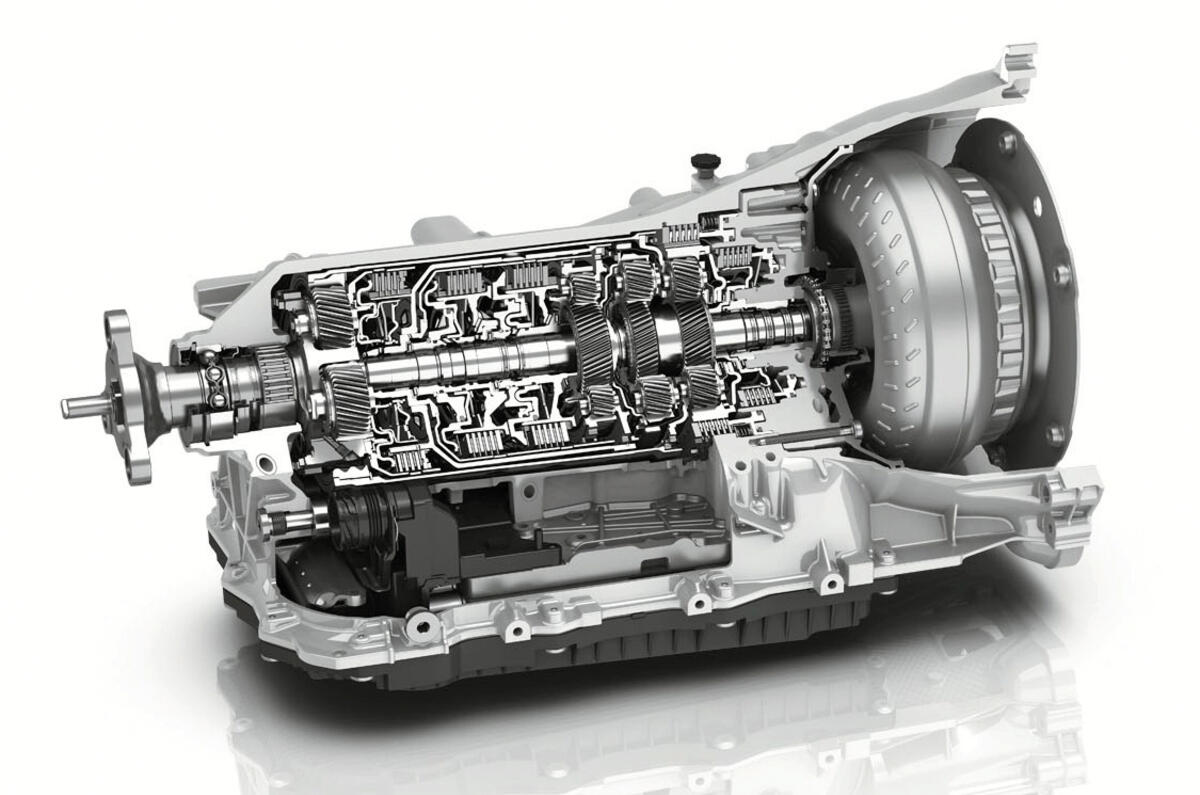
Components at Work The torque converter is an advanced unit made of three vital components: the impeller, the turbine and the stator. The three components work together to convert torque, and then transmit power.
Dismantling the Mechanism
The mechanisms of a torque converter are fascinating, involving complex interactions that result in an efficient transmission of power:
The engine begins the process when it starts by spinning the impeller. It is similar to a fan and is used to transfer transmission fluid through the converter. The impeller produces a flow that hits the turbine blades while it spins.
Turbine Response: A motor connected to the shaft that is used for input of the transmission is activated when fluid hits the impeller. The impeller is able to move the fluid, which in turn activates the turbine. It runs at a velocity that is similar to the impeller’s speed. This means that the turbine generates kinetic energy and produces the power needed for the transmission system.
The Stator’s Role for enhancing efficiency
Stator is one of the major components of a torque converter. The stator is situated between the impeller and turbine, the stator has crucial roles in increasing the efficiency of the power transmission process.
Fluid Redirecting Mechanism – The stator functions by redirecting the flow of fluid between the impellers and turbines. This redirection plays a crucial role in improving the torque output and also ensuring the smooth transfer of power. Stators contribute to smooth and efficient operations by managing the flow path. For more information, click upgrade torque converter
The importance of Torque Converters in Driving
The torque converter is an vital element of driving experience.
Smooth transitions. The layout of the torque converter and its mechanics aid in seamless shifts between gears. The torque converters that use fluid coupling do not require manual clutch engagement. This allows seamless shifting of gears with no interruption to the power flow.
2. Idling and Stalling Prevention: Torque Converters play an essential part in preventing stalling as well as engine idling. The fluid coupling allows the engine to continue running even when the vehicle is in stationary. The fluid coupling ensures that the engine is running at a constant speed, and does not require the driver to manually engage the clutch when the vehicle stops.
3. The torque converter is responsible for efficient power distribution by optimizing power transfer and output. This can improve your driving experience as it supplies the power needed to accelerate or control cruise.
Conclusion The Torque Converters, as mechanical components, are the foundation of automated transmissions. The fluid coupling mechanism, facilitated by the impeller, turbine, and stator, allows for the seamless transfer of power from the engine onto the transmission, and then to the wheels. This efficient power transmission helps to ensure smooth gear shifting which prevents stalling, idling and issues, and increases overall driving efficiency.
Understanding the purpose of torque converters is crucial for car enthusiasts as well as engineers. They are the ideal connection between fluid mechanics and engineering and they are a constant force to make every drive an enjoyable one. As technology continues to evolve however, torque converters will remain an essential part of the automotive industry, serving as a testimony to the intricate interplay between mechanics and function.