
Many homeowners feel the hum of their furnace soothing on cold winter nights. The oil tank, an unnoticed component of the furnace, often is not noticed until a problem is discovered. But proactive maintenance, like replacing the oil tank, is crucial for your home’s security and effectiveness. We’ll assist you in understanding the cost for replacing the oil tank, and help you make a well-informed decision regarding this investment in your home.
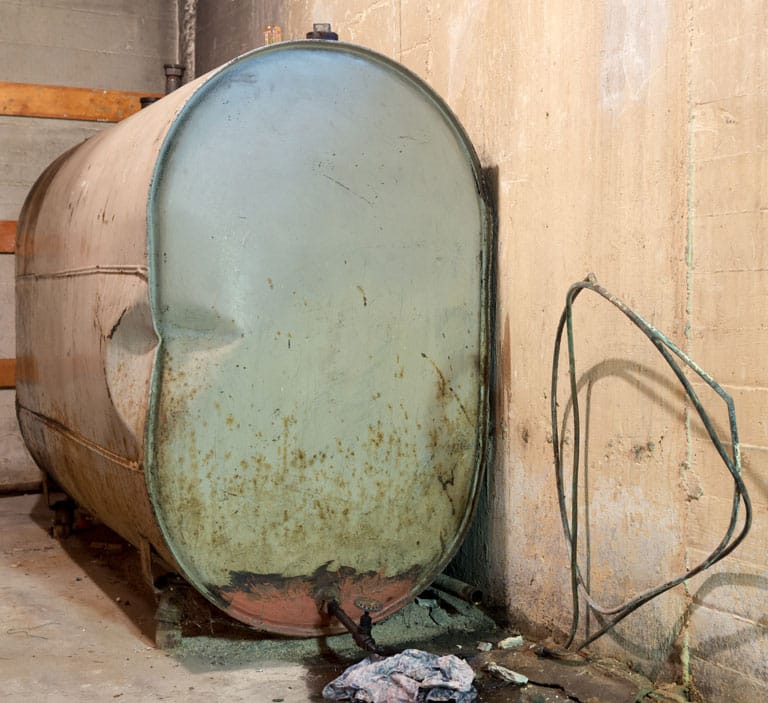
The significance of maintaining oil tanks It is crucial to prevent it from happening.
Many homeowners don’t realize the importance of the oil tank’s service. A properly working oil tank is essential to the overall infrastructure of your home. It is essential that you as the responsible owner of a home take care to ensure that your heating system as well as the storage tank for oil are operating efficiently and in a safe manner. The leak of oil that seems minor now may become a huge financial and ecological burden in the coming years.
Understanding Average Costs: A 275 Gallon Case Study
Knowledge is power, especially when budgeting for home maintenance tasks. Consider the cost to replace a residential oil tank of the size of 275 gallons, the standard size. The median cost is $3,600 in states like Massachusetts, New Hampshire and Connecticut. Be aware that the cost quoted assumes that the replacement is easy in a basement, or outside location that has no access problems.
Oil Tank Replacement The issue is not just about the cost.
Although the cost of replacing your oil tank might appear expensive at first however, it’s an investment in your home’s security and comfort in the long run. Here’s why:
Safety First: As the oil ages, tanks may leak and pose a fire risk as well as a potential environmental hazard. Removing your tank will eliminate the risk and provides security for both you and your family.
Tanks that have been in use for a long time will lose their efficiency over time and require frequent deliveries of oil to stay warm. The newer tanks run at the highest efficiency, thereby reducing heating costs in the long term.
You’ll have peace of mind for years to come: A new oil storage tank offers solid service that lasts for many years, and eliminate any concerns about leaks and unexpected failures during winter’s harsh months. Click here 275 gallon oil tank replacement cost
Oil Tank Replacement Costs: What factors influence them?
As a base an average cost of $3600 to replace a 275-gallon fuel tank is a good way to begin. However, several factors can affect the final cost:
Tank Size The cost for replacing larger tanks is more than that of smaller tanks.
The location of tank: Removing an underground tank and re-installing it can be more costly than doing so in a crawlspace or basement that is accessible.
Accessibility issues When the tank is hard to access due to structures surrounding it or narrow spaces, labor costs associated with removal and installation will rise.
Proper disposal of tanks that are not properly cleaned could result in additional costs.
Plan for your home’s future: Budgeting to replace the oil tank
Oil tanks last anywhere from 15 to 30 year according to a range of elements. When you know the approximate age, you can prepare for a replacement tank before issues arise. You might consider scheduling an inspection with a professional to receive a precise estimate on a replacement.
Insuring Your Home’s Safety and sustainability
It’s not only about preserving warmth and convenience; it’s also an investment in environmental responsibility. Older oil tanks can leak into the soil, contaminating it and groundwater. Modern oil tanks adhere to stricter environmental regulations, which assures a responsible storage of oil while protecting the environment from damage.
Knowledge is Power: Taking Control of Your Home’s Well-Being
Make informed choices regarding your home’s maintenance needs by knowing the costs involved in the replacement of an oil tank. You can ensure your heating system is safe, environmentally-friendly, and effective for years to come by putting a priority on the proactive replacement. Do not be surprised by a potential oil tank issue during the midst of winter. If you plan and budget for this crucial home maintenance project and you’ll be able to have peace of mind and remain warm and cozy during the coldest winter months.