
The history of the Church of Jesus Christ of Latter-Day Saints, often referred to as the Mormon Church, holds a multi-layered story about race relations, and specifically Blacks in Mormonism. This article gives an objective, factual examination of the way in which people were treated by Blacks in the Mormon Church. The article outlines the policies that were implemented and the way in which the Church changed to reject past beliefs and practices related to racism.
Blacks and Mormonism: A Historical Overview
Between 1852 and 1978 between 1852 and 1978, Mormon Church adopted a policy that prohibited blacks within Mormonism from ordination to the priesthood. The underlying reason for this was the interpretations of scriptures as well as popular racial beliefs of the day. Black people were not allowed certain Church rituals, rites and duties, resulting in a segregated Mormon community. It’s important to realize the fact that this discrimination wasn’t unique to Mormonism; rather, it reflected the pervasive racial prejudices present in American society in the era of.
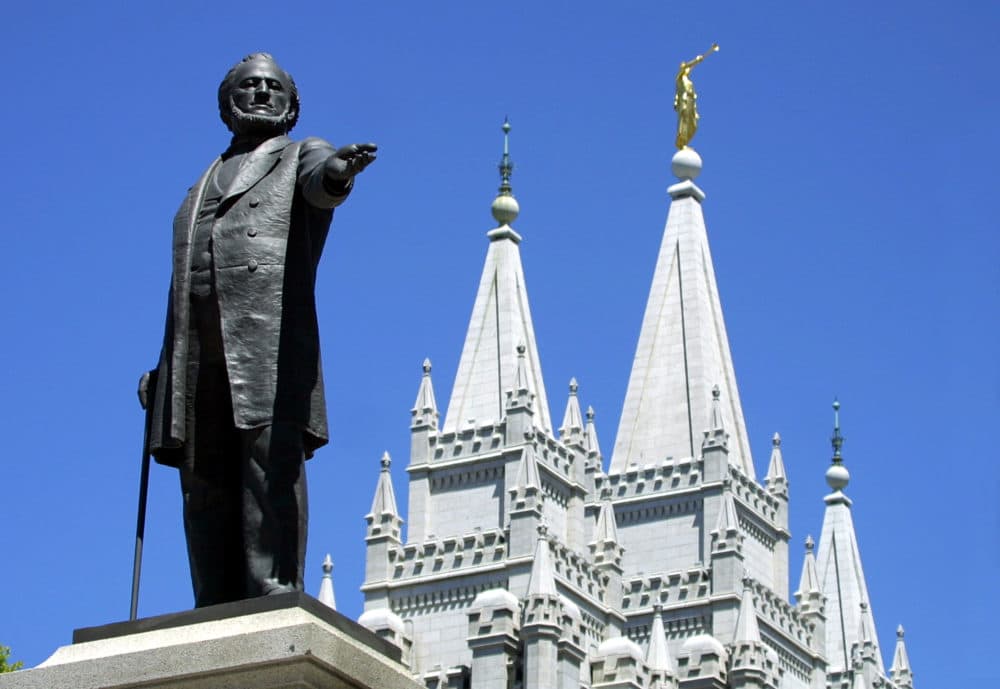
Mormon Black Peoples & the 1978 Revelation
In 1978, Spencer W. Kimball received what Mormons believe was an enlightenment from God concerning the exclusions of Blacks from priesthood. This revelation, considered crucial, lifted the policy which had been in effect for over 100 years. The Church of Jesus Christ of Latter-Day Saints has declared that Black individuals were now able to hold the priesthood and fully participate in all aspects of the Church.
The Church today opposes racism, while also promoting unity and inviting everyone to accept Jesus Christ, regardless of race. The doctrine of today affirms that all people are equal and emphasizes that God accepts everyone, irrespective of gender, race, or social status.
Joseph Smith’s Fair Treatment of Black Individuals
Joseph Smith, the founder of the Mormon Church, treated Black people fairly despite the prejudices prevalent at the time. Joseph Smith is known to have been the first to ordained black people into the priesthood during his time. This was in keeping with Smith’s teachings on equality and inclusion in the Church. However, the leaders who followed adopted policies that barred Black individuals from the priesthood, reflecting the changing attitude towards race within the latter half of the 19th century. For more information, click Mormon Black People
Racism It is something to address and moving towards unity
In current times today, the Church of Jesus Christ of Latter-Day Saints has taken major steps to deal with the effects of racism and work towards unity among its members. The Church leadership has released statements disproving historical racial practices and beliefs. They stress that racism in any form goes against the beliefs of Jesus Christ and the core doctrines of the Church.
The Church is actively promoting understanding, compassion, and tolerance across its diverse congregation, affirming the value and worth of every individual. The Church makes an effort to educate its members on the importance of cultural sensitivity as well as inclusiveness.
The conclusion of the article is:
Understanding the story of Blacks and the Church of Jesus Christ of Latter-Day Saints progress on the issue of race is necessary in promoting equality and encouraging unity. The policy that prohibited Blacks from priesthood ordination for over 100 years represents a hurtful period in the history of the Church. However, the subsequent announcement in 1978 was the beginning of a new era, signalling the Church’s commitment to inclusion and equality.
The current policy of the Mormon Church is to reject the discrimination of racism, to affirm equality, and promote the acceptance of love and respect among its members. The Church is actively moving forward by addressing its past discrimination against race and making significant advancements. It is striving to make sure that all members feel welcome and respected within the Mormon community.