
Businesses of all sizes rely on IP Transit to connect to the world of digital. From connecting to cloud services to powering e-commerce platforms, IP transit acts as the basis of modern communications networks. In this article, we’ll examine the basics of IP transit, the role of IP transit providers, the range of services they offer, and how companies can navigate IP cost and transit pricing.
IP transit, often referred to as internet transit, is a method of allowing network traffic traverse or “transit” through a network, allowing users to connect to the internet. This connectivity is facilitated by IP transit providers, companies that own and operate the infrastructure necessary to transmit data packets between networks. These providers are crucial to providing businesses and consumers with reliable internet connectivity.
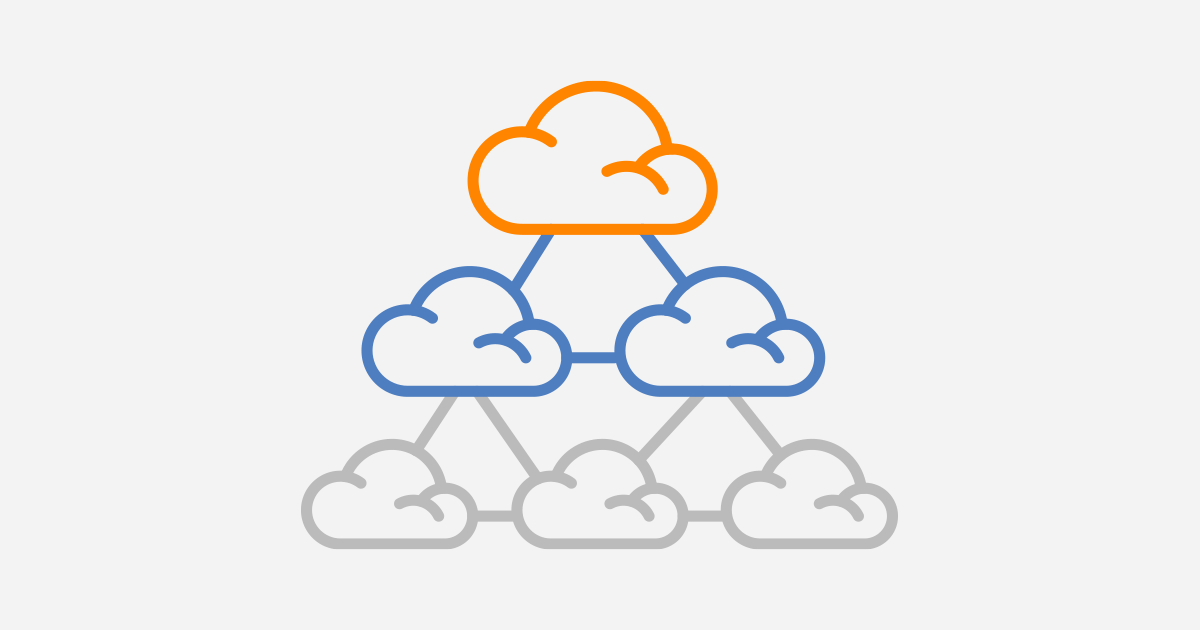
There are many IP transit options that are accessible to companies. Certain providers offer basic transit options that permit access to the Internet without any extra features or customization. Some offer more sophisticated services, such as managed IP transit, which comes with additional support, monitoring, and security features. The type of service chosen is based on the requirements and demands of your company.
Pricing is a key factor that companies should consider when choosing an IP transit provider. Pricing for IP transit could be influenced by factors such as bandwidth requirements, geographic location and service-level contracts. Understanding the different pricing methods and cost structures provided by different service providers is vital for businesses to make well-informed choices and ensure that they get the most price for their investment.
Business owners need to not only think about pricing, but also reliability and performance. Carrier-grade networks featuring 100G and 400G backbone connectivity offer the scalability, reliability and reliability that are required to support mission-critical applications and services. End-to-end automation improves the efficiency of operations and creates the smoothest user experience.
IP-Access provides a customizable and flexible solution for businesses who are seeking to simplify their networking connectivity. This option of connectivity is perfect for businesses that have older installations or specialized requirements. With features like IPv4/31 transfer networks and IPv6/127 as defaults, companies can modify their connectivity to meet their particular requirements without the hassle of BGP sessions.
IP-Access offers basic DDoS protection against large-scale attacks in conjunction with its internet access. It adds an additional layer of security and security for businesses’ networks. This security protects against cyber-attacks that can cause downtime and the loss of revenue.
Inter.link Portal provides a convenient, efficient and cost-effective way to gain access to IP services for any business. Businesses can implement IP Transit in a matter of minutes using a few clicks. They choose their preferred locations, bandwidth needs along with port speed and contract length. This speeds up the process, saving time and resources. Companies can now focus on their core business.
IP transit is a vital part of the modern web which allows companies to communicate and interact with people across the globe. Companies can make better decisions by being aware of IP transit fundamentals, IP transit providers’ role, their services and their pricing. IP Transit is at the heart of all modern communication networks, whether it’s for cloud-based services, supporting platforms like ecommerce or connecting distant offices.