
Titanium dioxide (also called TiO2, white titanium, or Pigment White 6 – PW6)) is a renowned ingredient in many industries. It’s especially prominent in rubber, paints, plastics, and paper. This versatile compound is renowned for its stunning white pigment. It plays a vital part in the transformation of raw materials into stunning, polished products. We will explore the wonders and uses of titanium oxide, as well as its production method, to discover how it influences different industries.
The Canvas of Titanium Dioxide, A Palette of Possibilities
Titanium dioxide is an essential ingredient in a variety of products. It helps to improve the appearance and performance of the products we use everyday. Pigment White 6 is used for the production of paints. It offers a vibrant and opaque white that improves the vibrancy of artistic and industrial processes.
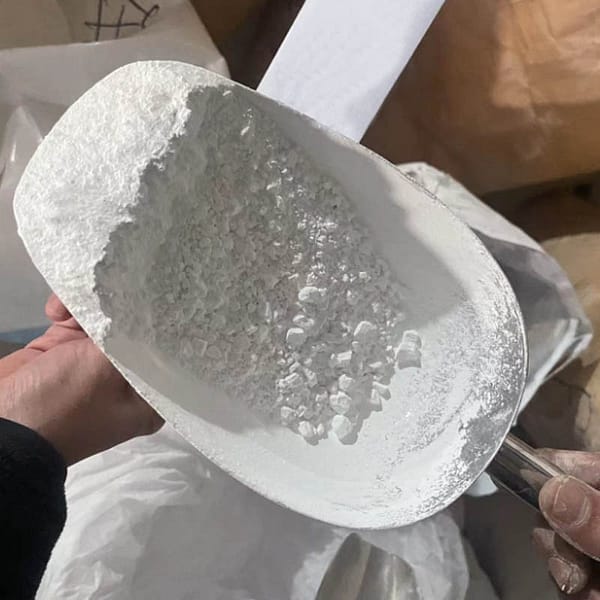
In the industry of plastics titanium dioxide is not just a component that adds color, but it can also function as a UV stabilizer, providing protection from the harmful effects caused by ultraviolet radiation. Due to its dual functionality it is an essential ingredient in an array of plastic products ranging from sturdy outdoor products to packaging material.
The Manufacturing Alchemy: Titanium Dioxide Production Methods
The production of titanium dioxide is an intricate process and two main methods in the forefront: the sulfuric acid method as well as the chlorination process. Each method is unique and has its own applications. This is the reason for the flexibility of titanium dioxide across a variety of industries.
Sulfuric Acid Method – This method involves the reaction between titanium-bearing ore and sulfuric acid. It results in the solution of titanium sulfate. The solution is then hydrolyzed to the hydrated titanium oxide. The product that is left after the calcination process is a white powder which is suitable for use in many applications, especially the paper and paint industries.
The Method of Chlorination: In contrast, the chlorination process employs chlorine gas to mix with ores bearing titanium, resulting in titanium tetrachloride. Through several chemical transformations and reactions, titanium tetrachloride can be oxidized to produce pure titanium dioxide. This method is prominent in the production of titanium dioxide for the plastics and rubber industries.
Titanium Dioxide Applications: Art and Science
Painting Brilliance Across Industries: Titanium dioxide’s significance in the world of paint is unmatched. The capacity of titanium dioxide to give a vibrant white, crisp color, and good coverage, makes it an ideal option for residential and industrial applications. The stunning white hue it brings to the canvas isn’t just an aesthetic feature but also a practical one. It prolongs the lifespan of the painted surface.
Shaping plastics with radiant In the world of plastics titanium dioxide performs a dual purpose. Beyond its role as a pigment for white, it also functions as an UV stabilizer that provides essential protection against the damaging effects of sunlight. It is utilized in outdoor plastics for their strength and appearance.
Titan dioxide is used in the paper industry to improve the whiteness of paper and also to improve its opacity. It also increases the luminosity of the paper, making printed materials more vivid and clear. The function of titanium dioxide in the paper-making process is more than aesthetics. It’s crucial in increasing the quality of printed materials.
The rubber’s resilience and UV resistance: The rubber industry reaps the benefits of the UV resistance provided by titanium dioxide. Titanium dioxide is utilized in the manufacture of rubber products exposed to the sun which increases the strength and durability of items made of rubber.
Titanium Dioxide Impact: More Than Pigment
Titanium dioxide is a highly visible pigment. But its effect is more than just the color. The compound’s ability to enhance the durability, resilience, and longevity of materials in diverse industries makes it a non-visible but crucial contributor to the quality and functionality of end products.
This is why titanium dioxide develops into a compound of immense significance that incorporates itself into many industries. It’s referred to as Pigment White 6 and it gives a sparkling shine to canvases both industrial and artistic. The two processes of sulfuric acid and chlorination uncover the alchemy of its creation, and provide the possibility of a variety of applications. It can be used to enhance the aesthetic appeal of paints, enhancing the protection of plastics against UV rays, shining paper, or securing rubber, titanium dioxide is regarded as a testament to the harmony of art and science in the world of manufacturing. The brilliant light produced by titanium dioxide shines brightly around us, transforming the appearance of a myriad of items into ones that are durable and bright.