
Certain aspects of owning a home are hidden away until they need attention. One of the most important, yet overlooked component of a home is the septic system. We often ignore it and assume that it can perform its tasks without worry or upkeep. Septic tanks, as with all systems, have a limited lifespan and will need to be replaced in the near future.
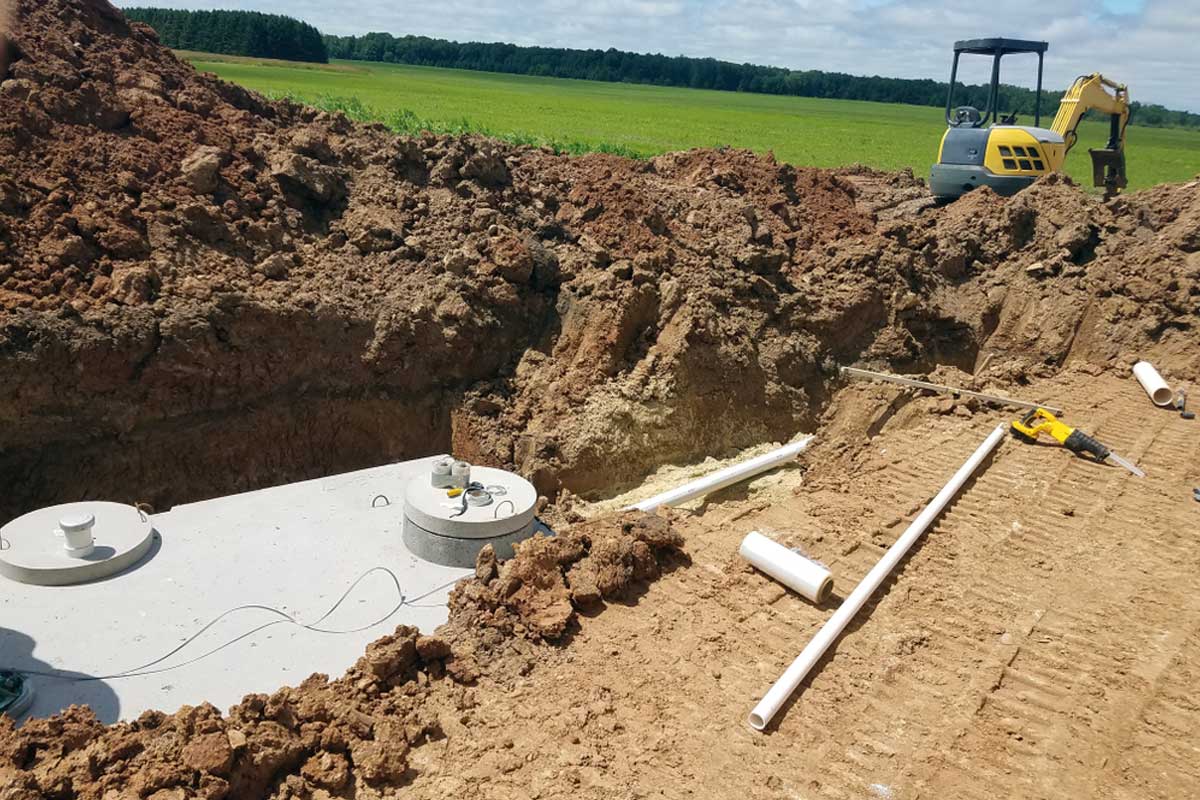
The cost to replace the septic tank is a major financial burden on homeowners who aren’t prepared. The total price is determined by numerous variables, and it’s essential to plan for the new system.
In order to determine the actual cost of a new septic system, it’s crucial to look at more than the price. It’s not merely a matter of removing the old tank and putting in the new one. The cost is influenced by numerous services and parts. Each step, ranging from obtaining permits, to hiring experts as well as excavation and installation is a cost. The homeowners must plan their plan their budgets accordingly.
The cost of septic tanks, leach fields and the construction are a few of the aspects to take into consideration. The cost of replacing the tank will vary based on the size and type of the tank, as well as the level of complexity of the installation. The cost can be affected by your location, local regulations and the soil conditions. Talk to a septic expert to determine your requirements and obtain an exact estimate. They’ll be taking into consideration factors such as the dimensions and layout of your leach field, and will provide that you are aware of the total cost involved when replacing your septic system. project.
In addition to the tank the other major expense is the leach field, also known as a drainfield. This component plays a vital part in wastewater treatment and dispersal. The cost of replacing a leach field that is damaged or is not working can be significantly increased by thorough planning. When calculating the total cost, it is important to take into account elements like the size and composition of leach fields as well as accessibility and soil composition.
The homeowners must take into consideration the expenses associated with the replacement of the tank for septic. The process can disrupt your day-to-day routine, requiring you to temporarily leave your residence or limit consumption of water during installation. You should factor in these inconveniences when planning your project, as they can impact your routine and create additional costs, like accommodation or modifications to your schedule.
It is also important to understand that routine maintenance and maintenance of your septic system is crucial for extending its life and limit the possibility of premature replacement. If you don’t take care to do routine maintenance, it will result in more severe issues later on, which could include damage to drainfields and tank failure. Planning for maintenance of septic systems is an investment you can make that will save you money in the long run.
By now, you may have realized that determining the septic tank replacement cost is not a straightforward task. It involves careful consideration of a variety of factors, ranging from the dimensions and materials of the tank to the difficulty of the installation and the condition of the leach field. In addition, the place of your property as well as local regulations could impact the total cost. To calculate accurately the cost, it is crucial to talk with experts that are skilled in the replacement of septic systems.
It’s possible to be shocked when you decide to replace your septic tank only to find the additional costs which you didn’t think of. The costs can mount up quickly, which is why it’s crucial to be aware of them before you make a decision.
A few of the hidden costs of replacing a septic system include:
The costs of permits and inspections. Before you can begin working on replacing your septic tank, you will require a permit from the local authorities. These permits are costly and you might have to cover inspection costs.
The cost of excavation and removal. Before the new system can be put in place, it’s required to take down and excavate the old system. This can be a costly procedure, particularly if the older system is situated in an area that is difficult to access.
The cost of backfilling and grading. Once the old system is removed, the void will need to be backfilled and graded. This ensures that your new system drains correctly.
The cost of landscaping. When the new system is installed, you may need to create some landscaping in order to make your area appear neat and tidy. It’s a lot of work, especially if you need to employ a professional landscaper.
When budgeting to replace your tank for septic, it is essential to include the cost-savings that aren’t obvious. This way you will save yourself from surprises later on.
The decision to invest in environmentally friendly septic solutions is a good option for homeowners who have a tight budget. The eco-friendly solutions for septic are not just economical alternatives to traditional systems, but also conserve the environment by reducing water runoff and pollution. These environmentally friendly solutions are now affordable and easily accessible. They’re the best option for people who want to lower their carbon footprint while not breaking the bank. Making the switch to a greener method may come with some upfront cost, but these can be easily offset by the long-term savings. Being green isn’t just an environmental trend–it’s a crucial decision that every person should contemplate if they’re truly passionate about preserving our planet for the generations to follow. With the right systems in place, you can relax knowing that you’re contributing for the entire world community while also guaranteeing that your home will function efficiently and effectively with minimal maintenance needs and lower expenses per month.