
In the rapidly evolving manufacturing industry, robots are vital to the development of innovation and efficiency. The introduction of robotics into manufacturing has revolutionized this industry. It provides a range of benefits to businesses seeking to increase efficiency quality, competitiveness, or quality. Manufacturing robots will play a greater role in shaping the future of manufacturing as the demand for automation solutions rises.
Manufacturing robots, sometimes referred to as industrial robots, are specialized devices designed to accomplish different jobs within the manufacturing process. They can be used for welding, painting, assembly, packing and putting in, and other things. Industrial robotics is the research and use of robots. It focuses on increasing productivity and precision during manufacturing processes.
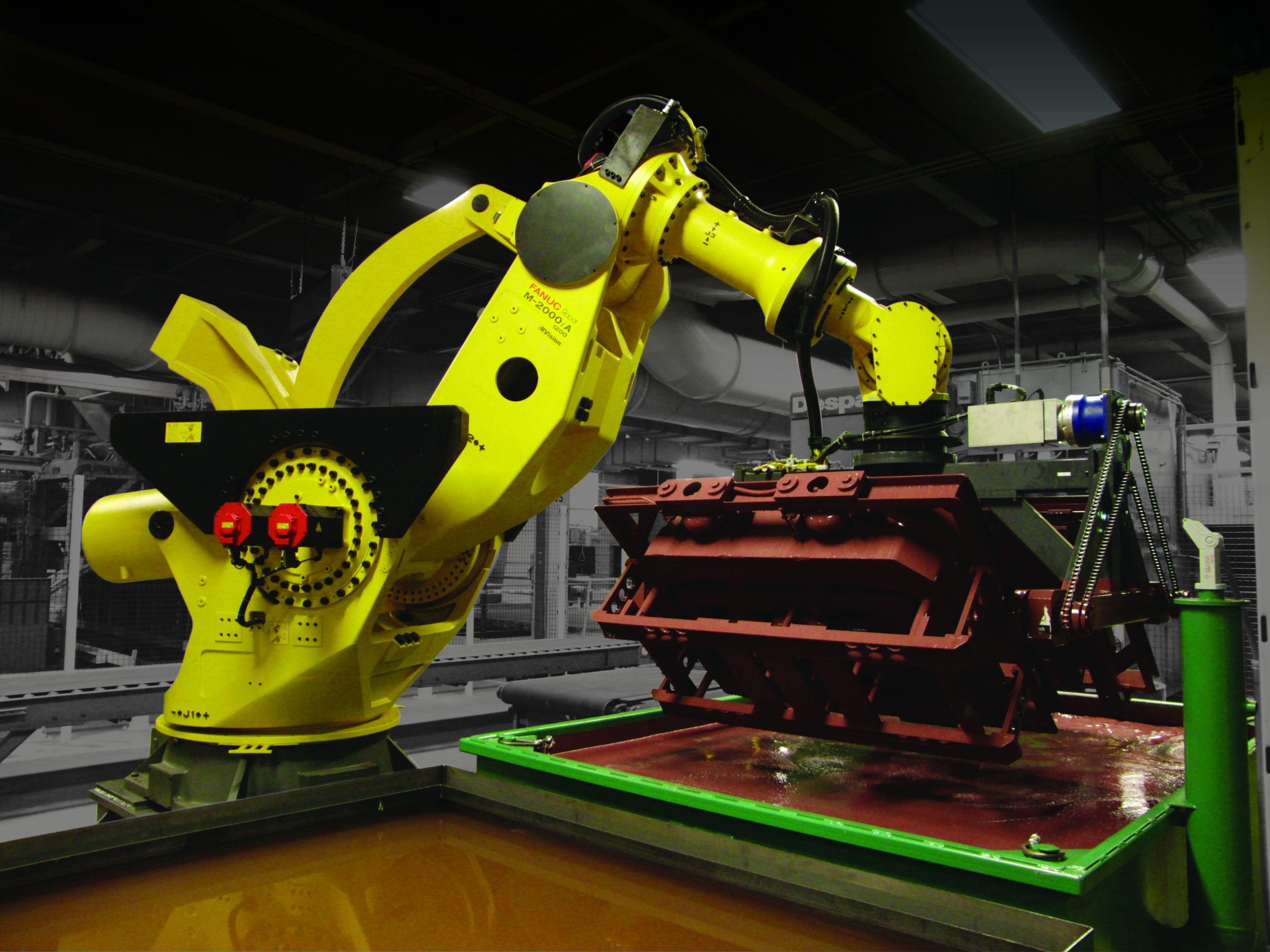
Automated Solutions Australia, a firm that is specialized in the design of industrial robots to offer flexible solutions to manufacturing customers, is at leading edge. ASA industrial manufacturing robots seek to provide clients with an advantage in their market by increasing their quality and productivity. The solutions offered by ASA’s industrial robots that are based on the best practices and an emphasis on quality are employed by companies in a variety of industries including electronic manufacturing, pharmaceuticals, automobiles and more.
Benefits of industrial robots are many-sided. One of the main benefits is increase in efficiency and productivity. Industrial robots are able to perform repetitive tasks with accuracy and consistency, which results in increased output and shorter time-to-cycle. This improves overall productivity but also allows businesses to meet ever-growing consumer demands with ease.
Industrial robots can also aid in higher quality control throughout manufacturing processes. They reduce the chance of errors through executing tasks efficiently and accurately, leading to higher-quality goods. It also increases customer satisfaction and improves the reputation of a firm that provides high-quality goods.
Industrial robots aren’t only efficient and of high-quality, but they also save you money. While the initial cost for the production of robots is expensive but the savings over time are enormous. Businesses can quickly recover their investment by reducing operational costs through streamlining production and eliminating the need for human labour. Industrial robots work around the clock, maximising resource utilization and cutting production costs.
The impact of industrial robots on work environment is another compelling advantage. The robots create very little of noise, creating an environment that is more peaceful and more comfortable for workers. Furthermore, their speed and precision aid in making workplaces safer, by minimizing the risk of injuries and accidents.
The integration of industrial robotics also plays a crucial role in job creation and the future of work. Although there are concerns that robots will displace humans, industrial robots actually create new job opportunities. These opportunities include roles related to robot programming maintenance, supervision, and supervision, as well in the creation of new technologies to support robotic manufacturing.
In the various industries, businesses continue to benefit from industrial robots and the manufacturing sector continues to adopt the technology, it is revolutionizing the manufacturing industry. Industrial robotics with its capacity to boost efficiency, quality and cost-effectiveness is changing the way that manufacturing processes are conducted.
Conclusion: The rise of industrial robotics and manufacturing robots is an important paradigm shift in the industry of manufacturing. The latest technologies are allowing companies to achieve unprecedented levels of efficiency, precision and competitiveness. As the use of automation continues to grow, industrial robots are able to play a significant part in shaping the future of manufacturing in bringing innovation to the forefront and propelling businesses to succeed on the international market.